Why is my senior dog not eating?
By Gomi's human — written from 11+ years alongside Gomi (@gomithesuperyorkie), not a vet's office · Last updated September 13, 2026 · about a 6-minute read
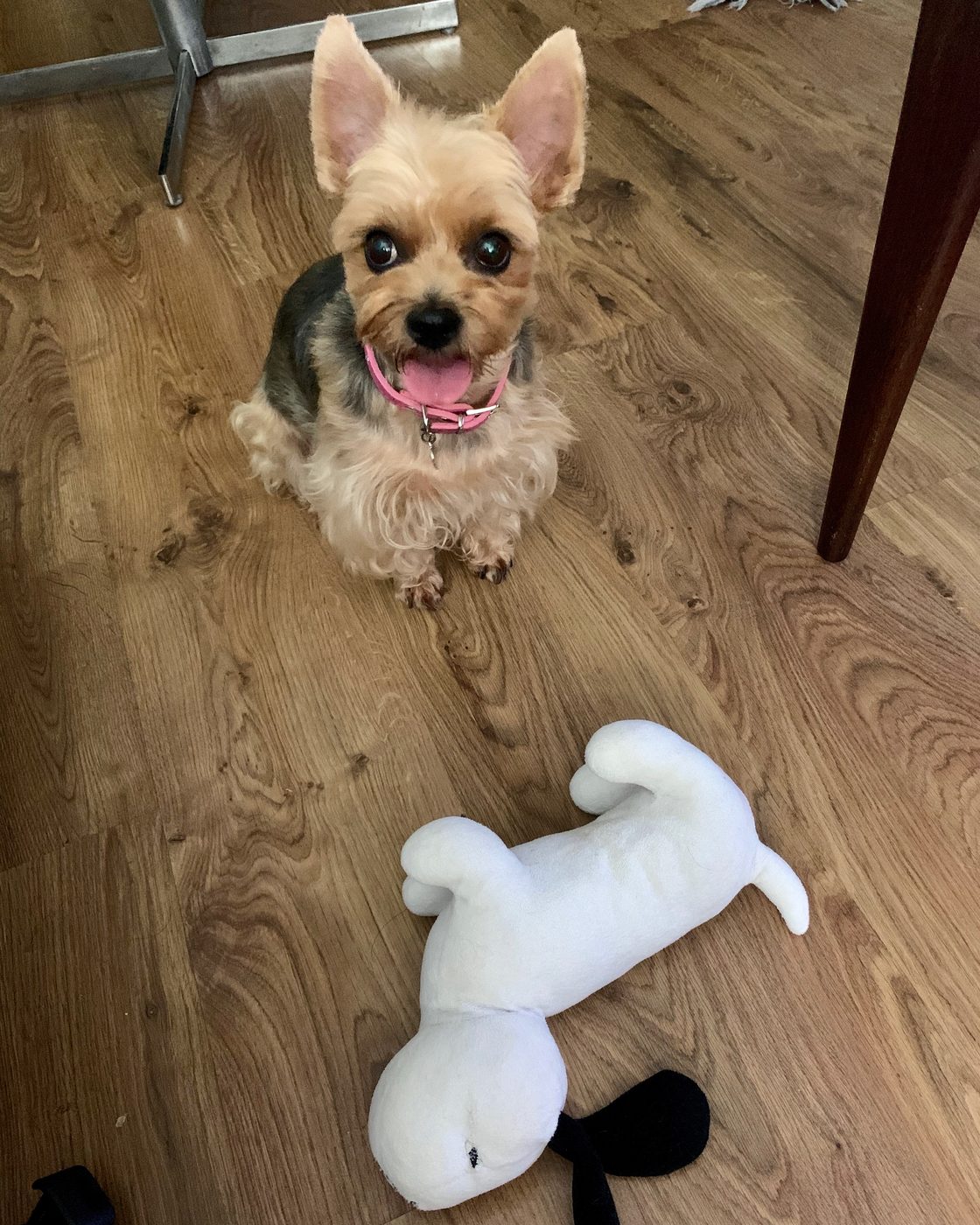
When an older dog turns away from the food bowl, it's natural to worry. A dip in appetite can be minor — but in a senior dog it can also be the first quiet sign of something that needs attention. Here are seven common causes, gentle things you can try, and the signs that mean it's time to call your vet.
Part of our complete guide to caring for a senior dog.
7 common reasons older dogs lose their appetite
- Dental or mouth pain. Sore gums, a cracked tooth, or infection make chewing hurt. This is one of the most common — and most treatable — causes.
- Nausea or an upset stomach. Digestive issues, constipation, or feeling queasy can quietly kill an appetite.
- Pain elsewhere in the body. Arthritis can make bending down to a floor-level bowl uncomfortable, so a dog may simply avoid the effort.
- A duller sense of smell and taste. Food drives largely by aroma, and both senses fade with age — meals may just seem less tempting.
- Medication side effects. Some medicines reduce appetite or cause mild nausea. If a new prescription lines up with the change, mention it to your vet.
- An underlying illness. Kidney, liver, dental, and other conditions — more common in seniors — often show up first as a fading appetite.
- Stress or routine changes. A new home, a lost companion, travel, or cognitive changes can all put a dog off food for a while.
Because the list ranges from "sore tooth" to "serious illness," one skipped meal cannot reveal the cause. Note whether the change is a complete refusal or a partial decrease, when it began, and whether anything else changed. It helps to know your dog's life stage, too — you can estimate it with our dog age calculator, and appetite is one item on our broader senior dog signs checklist.
Appetite is worth taking seriously in an older dog because seniors have less reserve to fall back on, and age-related conditions can first appear as a quiet loss of interest in food. Treat a new change as a reason to contact your vet and look closer rather than as something to test with a fixed waiting period (AVMA: senior pet care). That is not cause for panic — many causes are manageable — but it is cause for attention.
Gentle support while you contact your vet
Call first about a new appetite change. If your vet agrees that home support is appropriate and your dog remains otherwise well, these calm, non-medical adjustments may help while you follow their plan:
- Warm the food slightly. A few seconds of warmth releases the aroma and can make a meal far more appealing.
- Offer softer or wet food. Easier on a sore mouth than hard kibble.
- Raise the bowl. A bowl at chest height spares a stiff neck and achy joints.
- Keep mealtimes calm and consistent. A quiet spot and a steady routine reduce stress-related fussiness.
- Try hand-feeding a little. For some dogs, a bit of gentle encouragement rekindles interest.
- Don't leave food out all day. Offer at set times so you can actually track how much is eaten.
What to record for the call
A short timeline helps your veterinarian judge urgency and decide what to ask next. The entries below are examples, not Gomi's medical record.
| What to record | Example only |
|---|---|
| Last normal meal | 7 p.m. yesterday |
| Amount eaten since | Sniffed breakfast; ate two bites |
| Water | More, less, or about the usual amount |
| Other changes | Vomiting, stool, urination, pain, and energy level |
| Recent changes | New medicine, dose, food, treats, or routine |
When to call the vet
Reach out to your vet — don't wait it out — if you notice any of these:
- No food at all; do not wait for a fixed hour count before calling.
- Appetite loss with vomiting, diarrhea, or a lot of drinking.
- Weakness, lethargy, or hiding.
- Signs of mouth pain: drooling, dropping food, bad breath, or pawing at the face.
- Noticeable weight loss over days or weeks.
- Any change that comes on suddenly.
In seniors, appetite loss is frequently the earliest sign of a problem that's easier to treat when caught early. A phone call is always worth it.
Frequently asked questions
How long can a senior dog safely go without eating?
There is no universal safe waiting period for a senior dog. Call your veterinarian when a new appetite change appears so they can advise for your dog. Refusing all food, or appetite loss with vomiting, diarrhea, weakness, pain, or unusual thirst, needs prompt evaluation.
My dog is drinking but not eating — is that better?
Drinking helps with hydration, but refusing food while drinking — or drinking much more or less than usual — can still signal an underlying problem. Record the change and contact your veterinarian for advice.
Could it just be old age?
Older dogs may need different amounts of food as their activity changes, but a new drop in appetite should not be written off as old age. Your veterinarian can assess dental pain, nausea, medication effects, and illness before deciding what the change means.