Senior dog signs checklist: 8 changes worth noticing
By Gomi's human — written from 11+ years alongside Gomi (@gomithesuperyorkie), not a vet's office · Last updated September 13, 2026 · about a 6-minute read
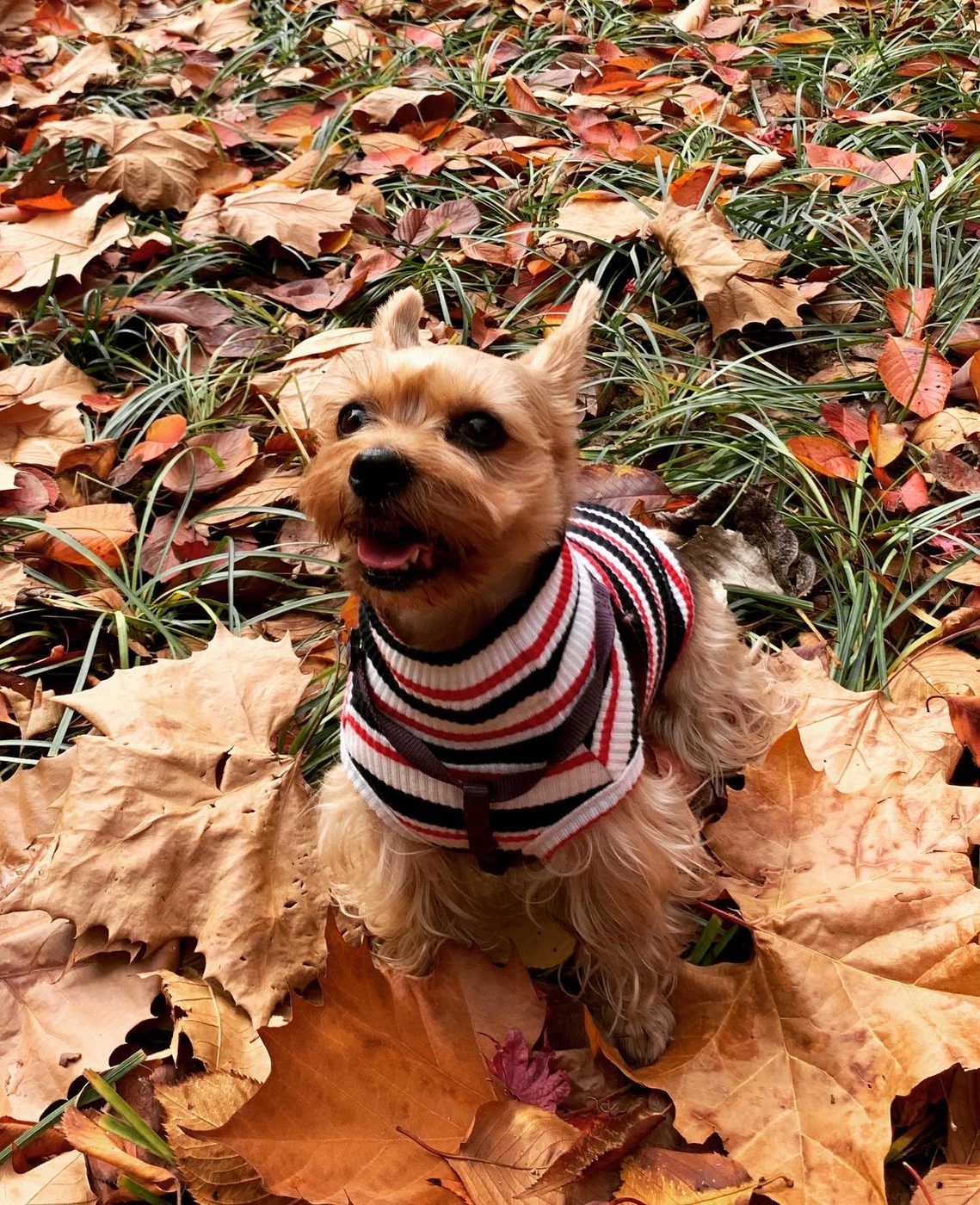
Aging in dogs rarely arrives with a single dramatic moment. It shows up in small ways — a slower climb up the stairs, a longer nap in the afternoon sun. This gentle checklist helps you notice the changes that matter, so you can keep your dog comfortable through their golden years.
Part of our complete guide to caring for a senior dog.
This list cannot tell you that a change is "just aging," and no single item proves that a dog is ill. Its purpose is to help you spot what is different from your dog's usual pattern and bring a useful timeline to your veterinarian. First, it helps to know roughly where your dog is on their timeline: our dog age calculator estimates their age in human years, and larger breeds tend to reach these stages sooner (here's why big dogs age faster).
There's a practical reason to make this a habit rather than a worry. Veterinary bodies consider a dog "senior" once they reach roughly the last quarter of their expected lifespan, and they recommend twice-yearly check-ups from that point precisely because early, treatable changes are easy to miss at home (AVMA: caring for senior pets). A weekly glance at this list is how you catch those changes between visits.
The 8-point senior dog checklist
- Mobility & stiffness. Slower to stand, hesitation on stairs, reluctance to jump, or stiffness after resting. Read more about stair changes and subtle signs of pain.
- Energy & sleep. Sleeping more during the day, tiring faster on walks, or restlessness at night. See how to track changes in a senior dog's sleep.
- Appetite & weight. Eating more or less than usual, or a gradual gain or loss of weight without a change in food. (Why a senior dog stops eating →)
- Bathroom habits. Drinking more water, more frequent urination, accidents indoors, or straining.
- Vision & hearing. Bumping into furniture, a cloudy or bluish tint to the eyes, or not responding to their name or familiar sounds. For eye changes, read our senior dog eye care guide.
- Lumps, skin & coat. New lumps or bumps, a duller coat, dry or flaky skin, or new grey around the muzzle and eyes.
- Mouth & breath. Bad breath, difficulty chewing, dropping food, or red and swollen gums. Learn why new bad breath deserves attention.
- Behavior & mood. More clingy or more withdrawn, confusion, staring at walls, pacing, or changes in how they greet you. Compare these with signs of canine cognitive dysfunction.
The AAHA senior care guidelines include appetite, thirst, weight, behavior, energy, and mobility changes among signs that can accompany chronic disease. That does not mean every change is disease; it means the label "normal aging" should come after evaluation, not before it.
Use this tracking table
You can use the prompts immediately without signing up. The row below is an example, not an entry from Gomi's record.
| Date | Change | Different from usual | Question for the vet |
|---|---|---|---|
| Example: Sept. 13 | Paused before the stairs | Usually climbs without stopping | Could pain or vision be involved? |
How to use the checklist
When you spot a change, record what happened, when it began, how often it occurs, and what else changed at the same time. Sudden or severe changes call for prompt veterinary advice; gradual changes that persist or worsen also deserve a call rather than automatically waiting for the next routine visit. A short written note — or a phone video of a stiff walk or unusual behavior — gives your vet a clearer starting point than memory alone.
Adjust for comfort as the golden years arrive
- Softer, easy-to-reach bedding and rugs over slippery floors help stiff joints.
- Shorter, more frequent walks instead of one long one.
- More frequent vet check-ups — many vets suggest twice a year for seniors.
- Patience with accidents and confusion; they're rarely the dog's "fault."
Frequently asked questions
What age is a dog considered a senior?
It depends on size. Small dogs are often considered senior around 9 to 11 years, while large and giant breeds may be senior by 6 or 7. Watching for changes matters more than a fixed birthday — you can estimate your dog's stage with our age calculator.
Are these signs always a sign of illness?
Not necessarily, but the checklist cannot label a change as normal aging or illness. Record what is different from your dog's usual pattern and contact your veterinarian about changes that are sudden, persistent, worsening, or accompanied by other symptoms.
How often should I check?
A weekly review can help establish a baseline for an otherwise stable dog, but record a change when you first notice it. Sudden, persistent, or worsening changes should prompt a call to your veterinarian rather than waiting for the next weekly check or routine appointment.